The riad is Morocco's signature accommodation. But luxury hotel, eco-lodge and guesthouse each have their advantages.
What is a riad?
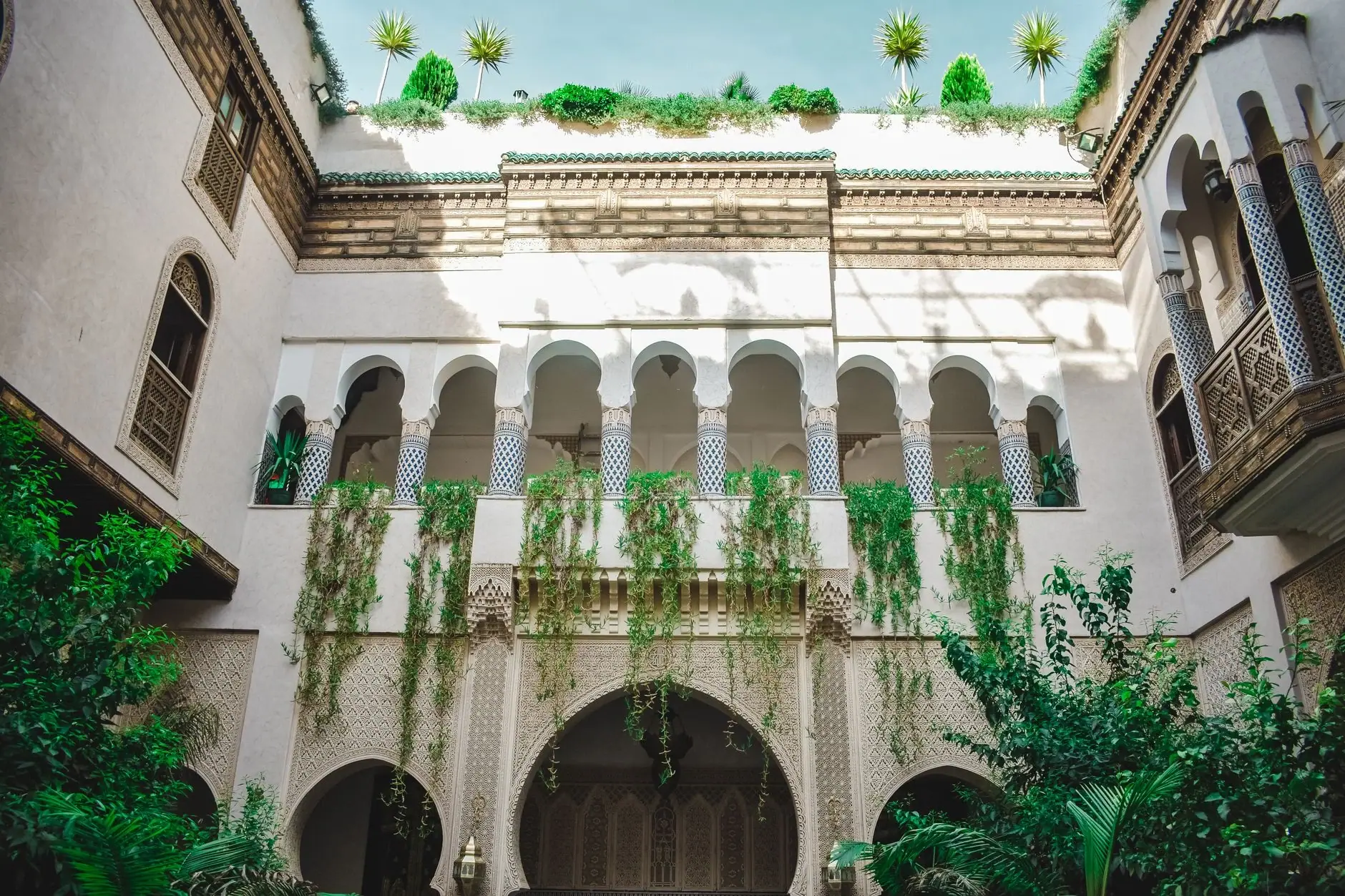
A riad is a traditional Moroccan house organized around an interior patio, often with a central fountain, orange or bougainvillea trees, and (in quality riads) a pool. The word "riad" comes from the Arabic *riyad* (garden). Originally, riads were the dwellings of wealthy medina merchants, and more than 1,000 remain in Marrakech alone, many now converted to tourist accommodations.
Riad: the advantages
- Authenticity: you sleep in a real 17th or 18th century Moroccan house, sometimes listed as Historic Monuments
- Calm: despite the noisy medina, the inside of the riad is a haven of peace
- Personalized service: 5-10 employees for 5-10 rooms, exceptional ratios
- Homemade breakfast: served in the patio, with msemen, beghrir, honey, almonds, cheese, mint tea
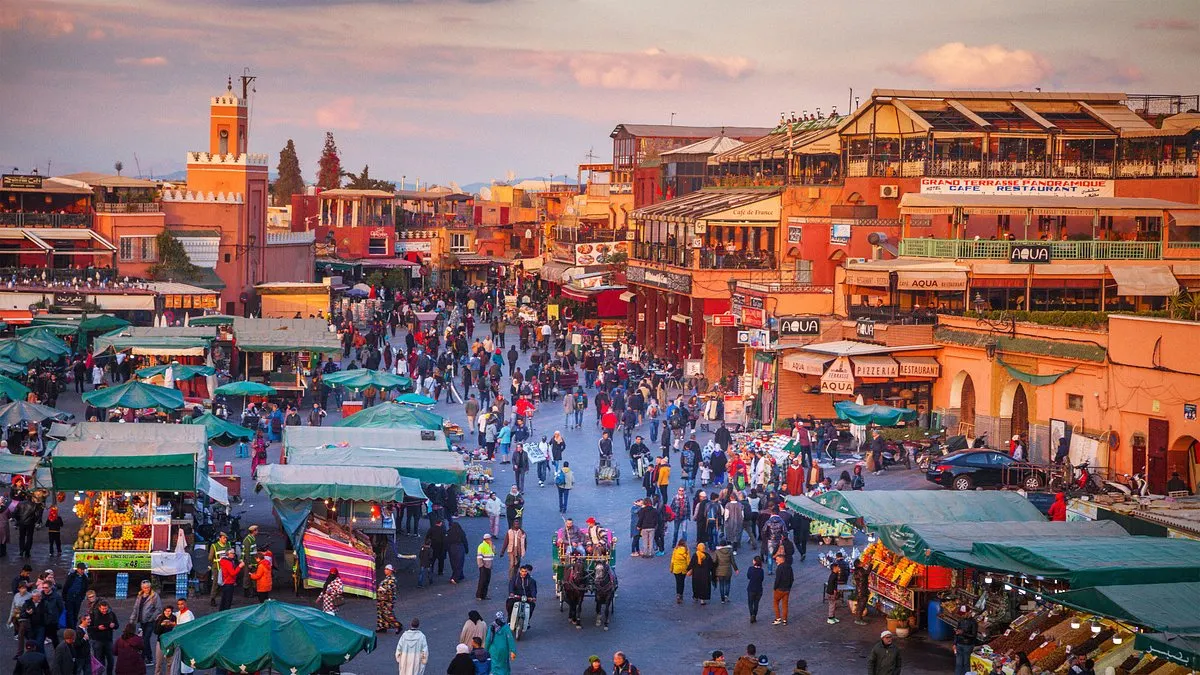
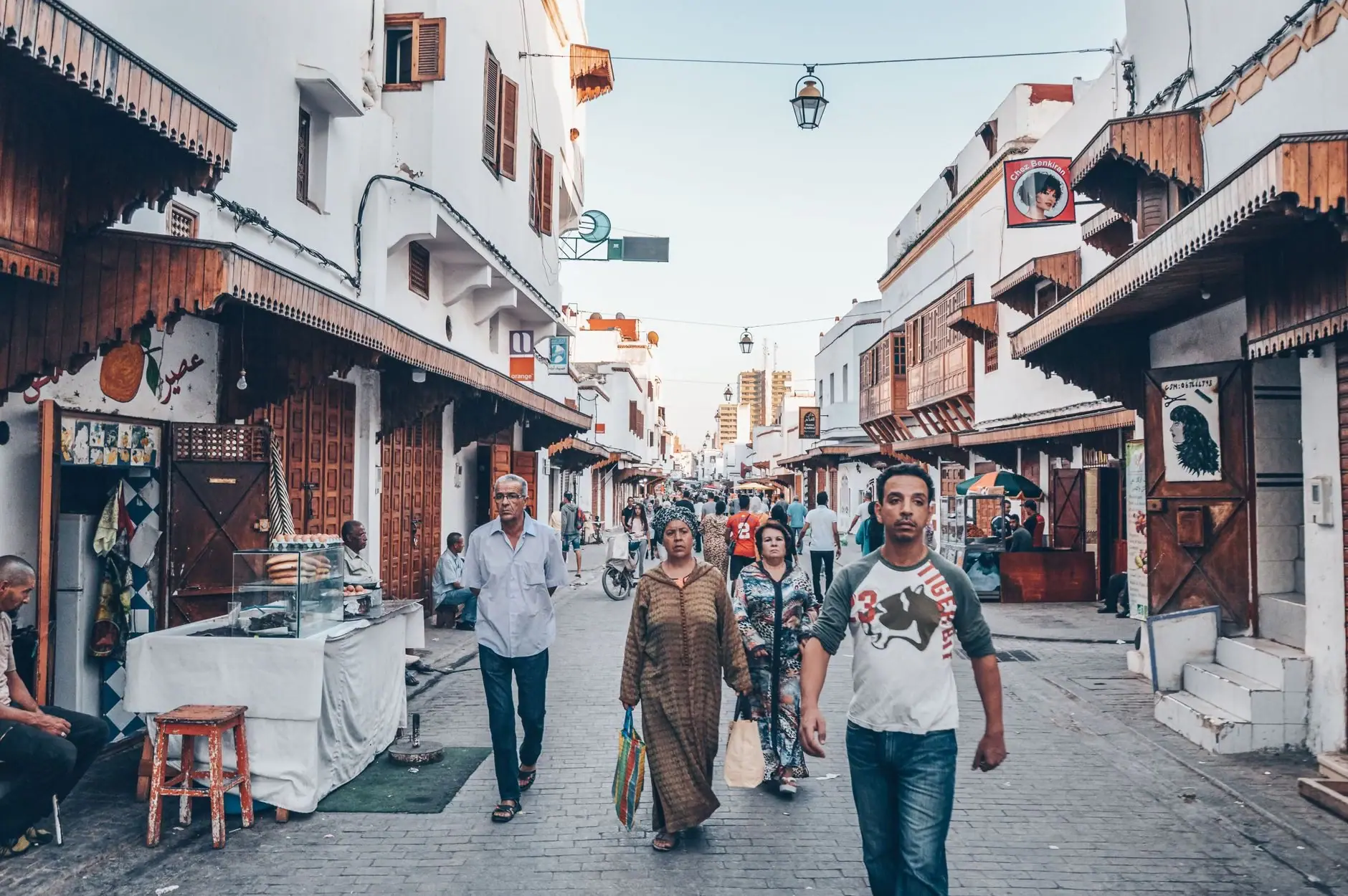
- Medina immersion: you are 5 minutes walk from Jemaa el-Fnaa without the inconvenience of the road
- Price: €50-150/night for a mid-range riad, €250+ for luxury
Riad: the disadvantages
- Stairs: no elevator (except a few recent luxury riads)
- No 24/7 reception: you often have to arrange for late arrivals
- Noise: the patio can carry voice, careful if you are sensitive to other clients' noise
- View: you look onto the patio, not outside. Natural light in bedrooms is limited
- Insects: old riads sometimes have a few unpaid guests (mosquitoes, lizards, ants)
Hotel: the advantages
- Standardized comfort: identical room anywhere in the world
- Pool, spa, gym: often better equipped
- Air conditioning: more effective in large modern hotels
- Buffet breakfast: more variety
- 24/7 reception: check-in/out at any time
- Better for families: connecting rooms, kids-club in some
Hotel: the disadvantages
- Less authentic: decoration is often "Moroccan" but industrial
- Impersonal: you're a customer, not a guest
- Far from the medina: most are in the new city (Guéliz in Marrakech, Agdal in Fez)
- More expensive: €100-300/night for a decent 4★
Guesthouse (dar)
A dar is smaller than a riad (often 2-4 rooms), run by a family. It's the most authentic and cheapest option (€30-80/night), with direct contact with Moroccans. Homemade breakfast included. No 24/7 service or pool (generally).
Eco-lodge
Increasingly popular, especially in the Atlas, Ourika and the desert. Construction in local materials, solar energy, organic farming. For responsible travelers. €80-200/night.
Our recommendation
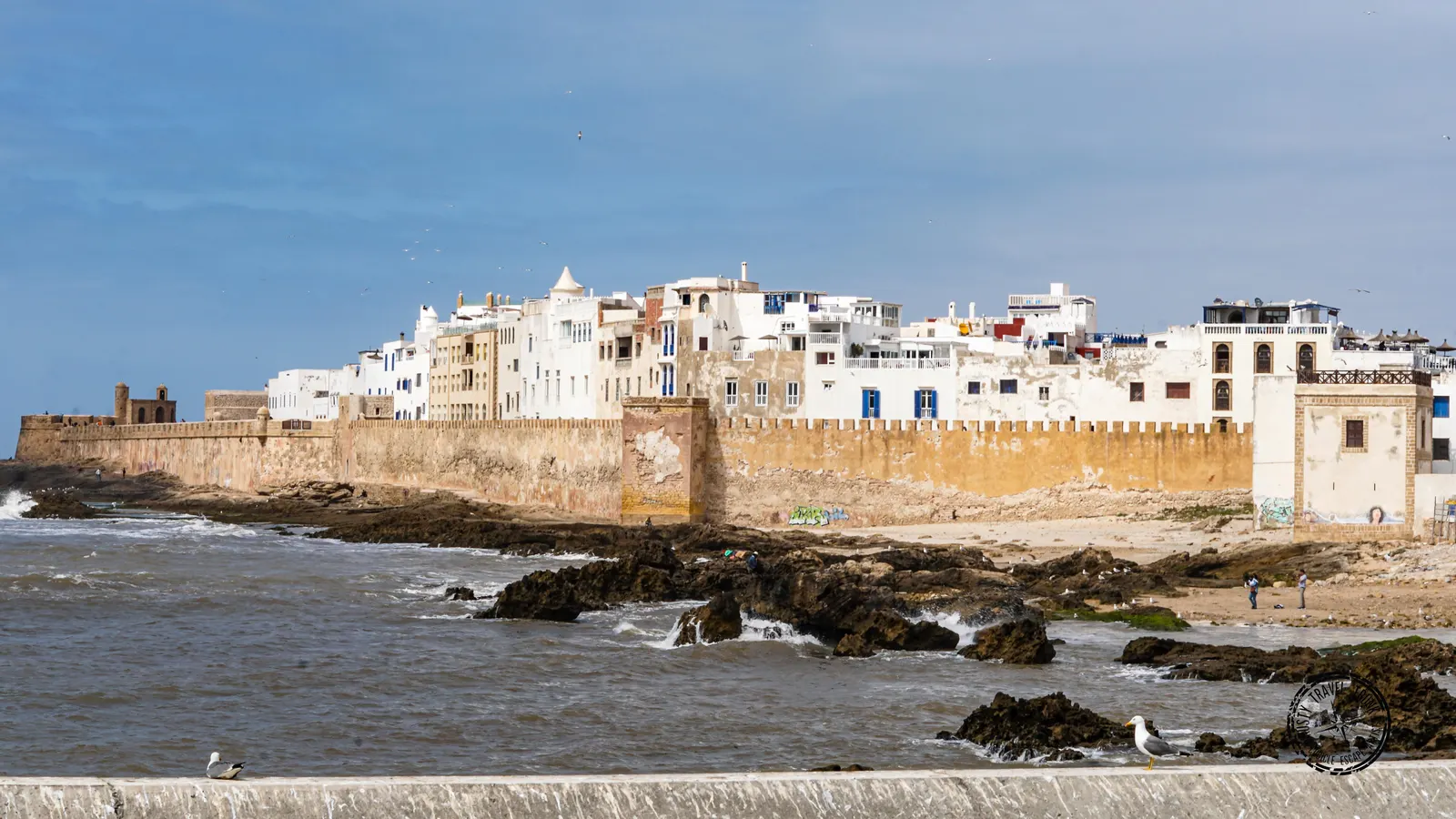
- Marrakech, Fez, Essaouira: riad or dar, without hesitation. It's the authentic Moroccan experience.
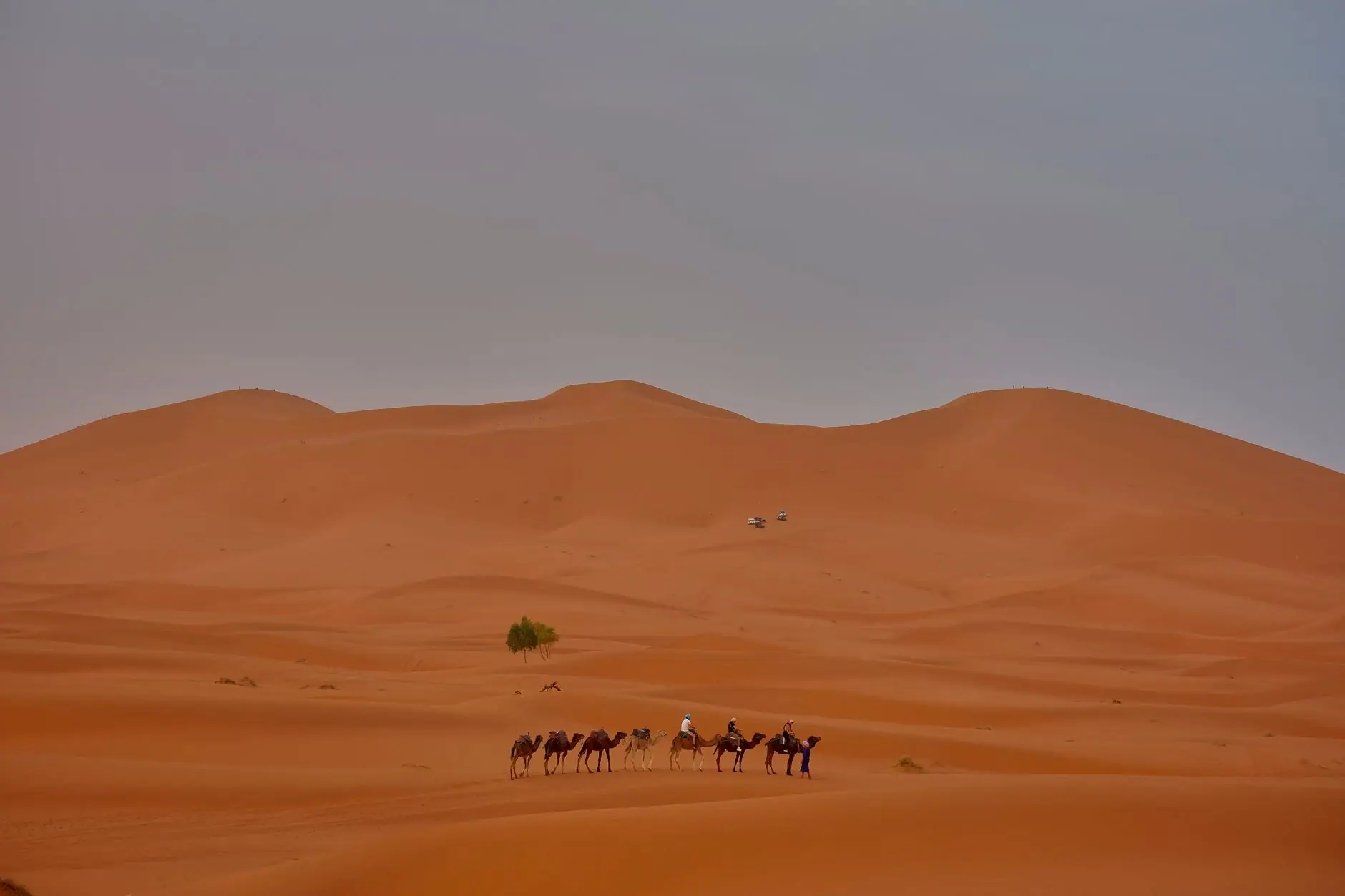
- Merzouga (desert): luxury camp (private tent with bathroom). Avoid village hotels, which are very average.
- Family with young children: 4★ or 5★ hotel with pool, more practical.
- Honeymoon: privatized luxury riad, romantic to the max.
- Adventure / trek: eco-lodge or mountain gîte.
In summary: if you want to experience the real Morocco, choose a riad. If you want comfort without surprise, choose a hotel. The best compromise: a riad with pool and rooftop in the medina, at €80-150/night.
Frequently asked questions
What is a riad?
A traditional Moroccan house built around an inner courtyard, often with a central fountain and orange trees or bougainvillea.
Riad or hotel — which should I choose?
If you want to experience the real Morocco, choose a riad; if you want comfort with no surprises, choose a hotel. The guide sets out the pros and cons of both.
What is a dar?
A guesthouse smaller than a riad, often 2 to 4 rooms, run by a family. It is the most authentic and the cheapest option, around €30-80 a night.
Are there eco-friendly places to stay?
Yes, eco-lodges are multiplying in the Atlas, the Ourika valley and the desert: local materials, solar power, organic farming.
What are the downsides of a riad?
The guide gives them a full section, facing the one on advantages, so the choice is made with eyes open.