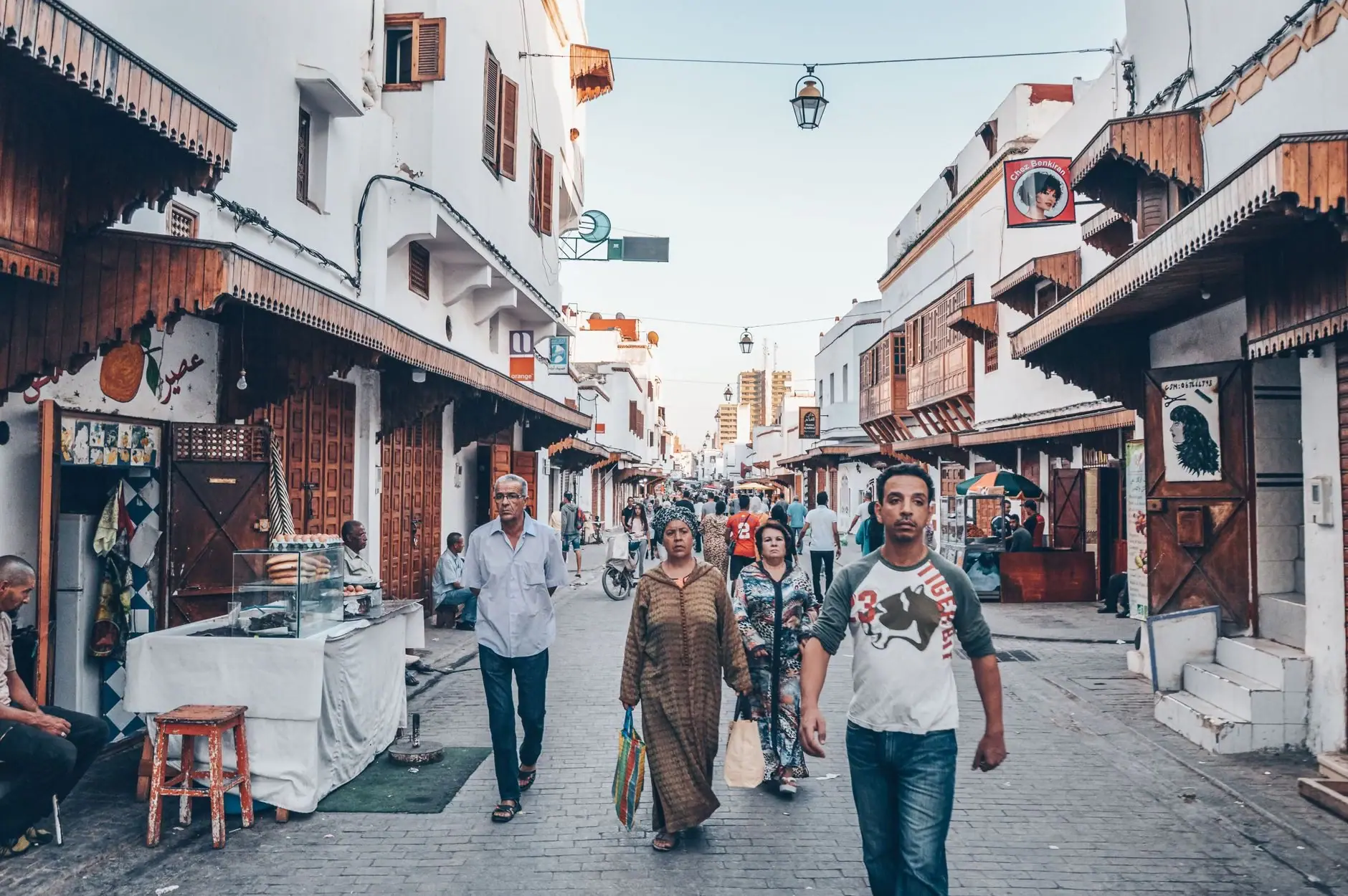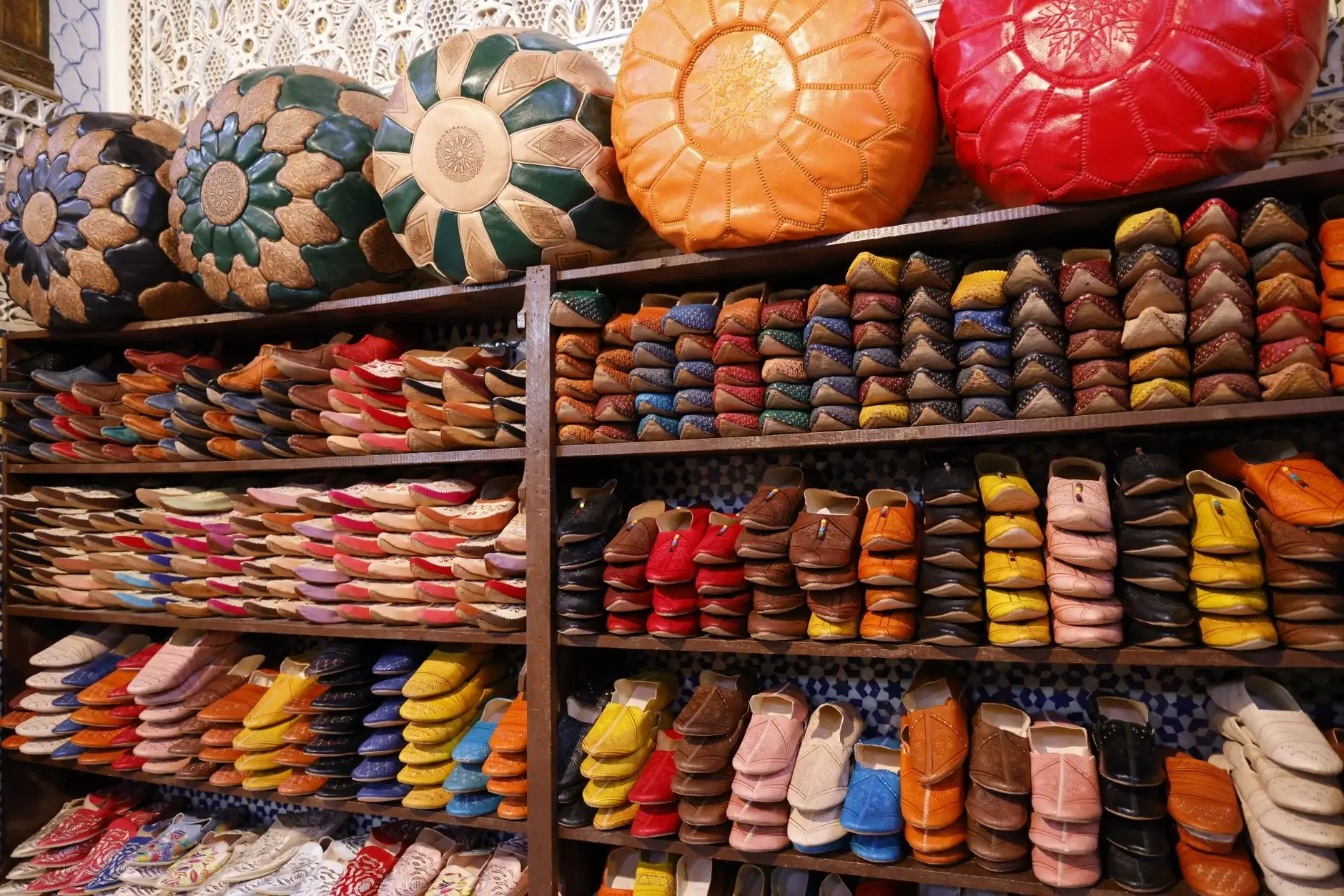
Babouches, rugs, spices, lamps: everything you need to know to buy at the right price without getting ripped off.
Souks by corporation
- Souk Semmarine: rugs, kilims, tent fabrics (Babouches at the end)
- Dyers' Souk: fabrics, clothing, scarves
- Babouche Souk: leather slippers (from 50 MAD)
- Cheritine Souk: leather goods, bags, belts (watch for counterfeits)
- Haddadine Souk: ironwork, lanterns, teapots
- Smata Souk: olives, spices (the most sensory!)
- Chouari Souk: wood, sculptures
- Kissaria Souk: fabric by the meter
- Sebbaghine Souk: dyers (colorants, dye baths)
The art of haggling
Haggling is the norm in the souks. Here are the rules:
- Ask the price, and offer 30-40% of the asked price. Moroccans expect that.
- Negotiate with a smile, never aggressively
- Don't show too much interest in an item if you're not ready to buy
- Compare 2-3 shops before buying (especially for rugs and jewelry)
- Set a price and stick to it: walk away if refused (you'll often be called back)
- Cash is king: paying cash gives more margin
- The mint tea: if invited to drink, it's a good sign, but it doesn't mean you have to buy
- Don't haggle for babouches or food: the price is fixed
Realistic price range (after haggling):
- Babouches: 50-150 MAD
- Leather bag: 200-500 MAD
- Silk scarf: 50-200 MAD
- Rug (small): 500-2000 MAD
- Rug (large, Berber): 3000-15000 MAD
- Metal lamp: 150-600 MAD
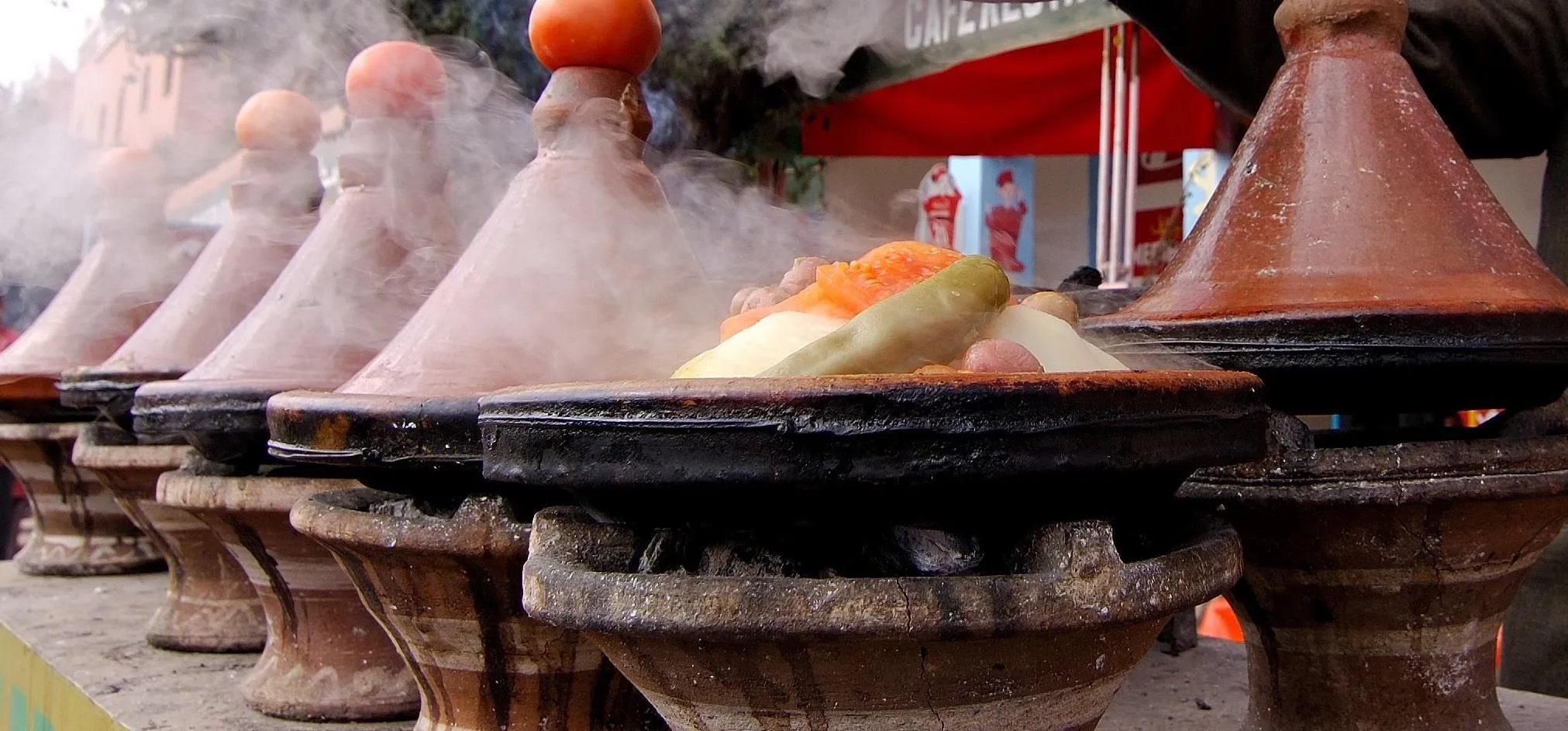
- Tajine: 80-300 MAD
- Spices (bag): 20-50 MAD
- Argan oil: 80-200 MAD
- Leather clothing: 400-1500 MAD
- Embroidered kaftan: 1000-5000 MAD
- Embroidered slippers: 100-300 MAD
The traps to avoid
- "It's free, come see!": often the start of a scam (forced sale, poor quality)
- "Where are you from? Good, I'll give you a friend's price": friend's price = 2-3x the right price
- The "spontaneous guide": he takes you to shops where he has a commission
- Street money exchange: scam guaranteed
- "Genuine leather" bags at 50 MAD: it's synthetic
- "Free henna": pressure to give a disproportionate tip
Where to buy what
- Authentic rugs: go to Nainain, Kechkal or Yassin (recommended by Lonely Planet, guaranteed quality, fair price). Avoid vendors who approach you in the street.
- Silver jewelry: jewelers' quarter, just west of Place des Ferblantiers. Compare prices (silver is by weight, ask for the hallmark). Avoid gold, often overpriced or dubious quality.
- Fine groceries: Spice Souk (Place des Ferblantiers). The Mabrouka grocery store (behind the square) is recommended.
- Natural cosmetics: black soap, ghassoul, argan oil: buy at the Herbier de l'Atlas (Marrakech) or at Arganier (Women's Cooperative).
- Leather: Bab Debbagh quarter (the tanneries). Leather cooperatives sell finished products.
How to pay
- Cash (dirhams): the norm, especially in the souks
- Credit card: increasingly accepted in "serious" shops
- Mobile money (Cash Plus, Wafacash): works
- Foreign currency: no, except in rare cases
When to go to the souks
- Morning (9am-12pm): less crowded, more choice, fresh merchants
- Afternoon (2-5pm): heat drops, ambiance at its peak
- Friday morning: calm (prayer day, some shops closed)
- Ramadan: shifted hours, but magical atmosphere in the evening
In the evening
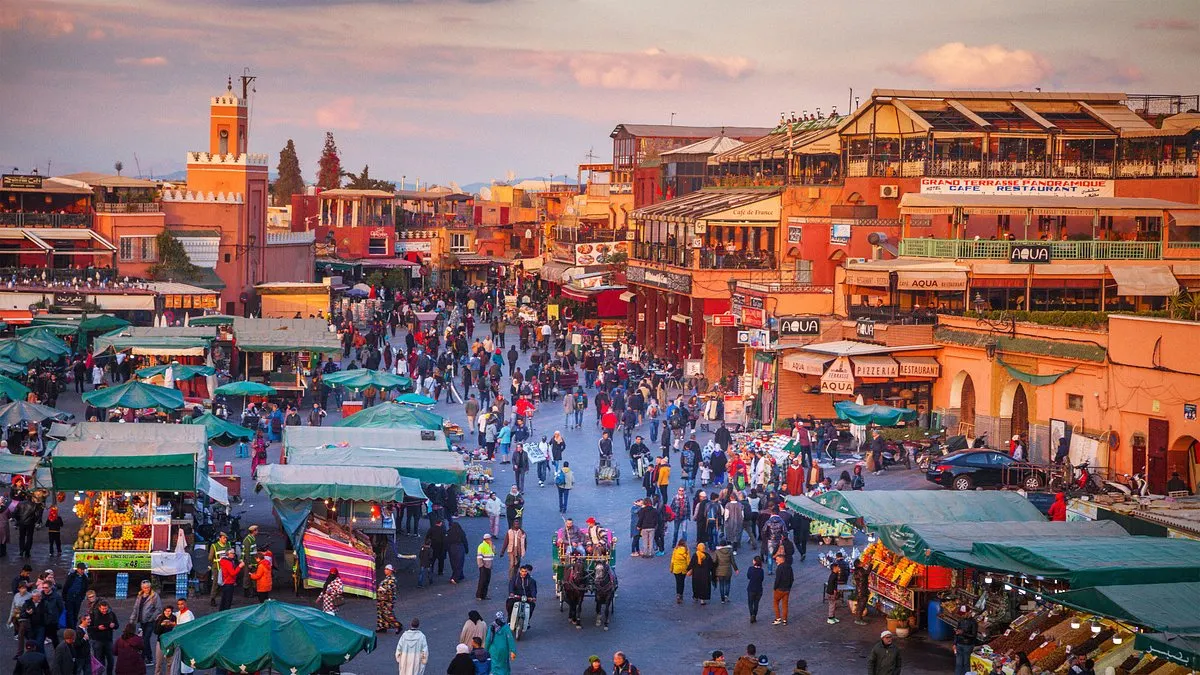
When shops close around 7pm, Jemaa el-Fnaa square comes alive: food stalls, storytellers, snake charmers, musicians. It's free (you only pay for what you consume). The world's largest open-air food court.
Happy shopping!
Frequently asked questions
How many shops are there in the Marrakech souks?
More than 40,000 in the medina, organised by trade guild — it is the largest souk in North Africa.
Do I have to haggle in the souks?
Yes, it is the norm and it is expected. This guide gives the rules of haggling and a realistic post-negotiation price range by type of object.
How do I pay in the souks?
This guide sets out which payment methods are accepted and which are not. Bring cash: a large share of medina stalls do not take cards.
What time should I go to the souks?
The guide gives the best slots in the day. Shops close around 7 pm, which is when Jemaa el-Fna takes over: food stalls, storytellers, musicians — and it is free.
What are the classic traps?
The guide lists them, trade by trade, along with where to buy each type of product rather than giving in to the first seller you meet.